Oh Yeah Music Centre: rehearsal and music development
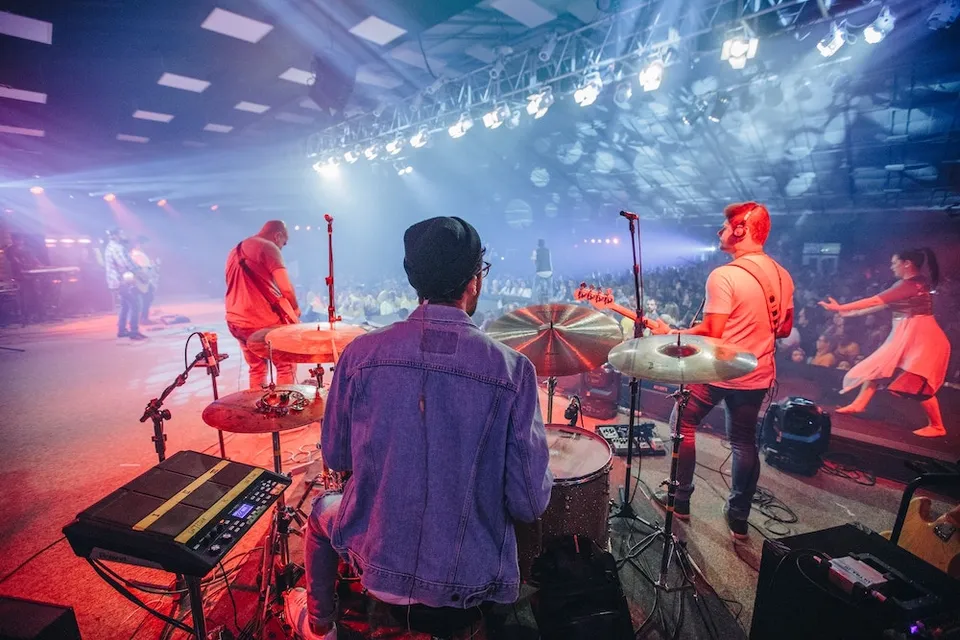
Oh Yeah Music Centre describes rehearsal and recording facilities alongside mentoring, live gigs and music development activities. Its visitor information explains how to reach the building and notes a lift to the upper floors where the rehearsal rooms are located. Contact the centre about the room and service you actually need.
For a singer rehearsing with musicians, ask what equipment is supplied and whether the room suits your group size. Check the booking length, setup time, access arrangements and what you need to bring. A room booking should not be assumed to include an engineer, accompanist or recording session. Explain your experience level so the booking conversation covers the practical questions that matter to you.
Start Together Studio: recording and production
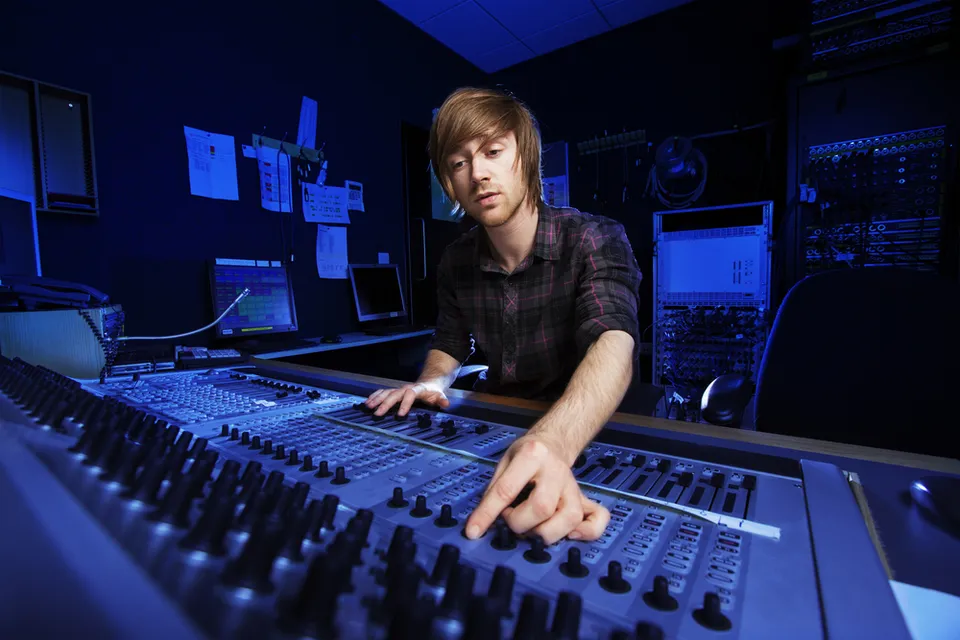
Start Together Studio advertises Belfast recording and production, mixing, mastering, live sessions, voice recording and studio hire. It also offers online production services. These are different stages of making a recording, so describe your intended result when contacting the team: a vocal demo, an original song, an audition recording or a live performance video.
Ask which service and space would suit that result, whether engineering is included and how the final files will be supplied. Listen to examples of the studio’s work, but discuss your own arrangement rather than assuming a particular sound comes automatically with the booking. A clear brief helps the studio estimate the time and work involved.
Choose the purpose before the equipment
A private recording to review your progress needs a different approach from a track intended for release. For a lesson exercise, a simple home recording may be enough. For an audition, first read the organiser’s requirements: they may specify a single take, a particular framing or limits on editing. Bring those requirements to the studio before agreeing the session.
If you are recording an original song, decide whether you already have the accompaniment or need help creating it. If you are singing to a backing track, check that the file is available in a suitable format and that you have the permissions needed for the intended use. Do not assume a streaming subscription provides a downloadable studio file or permission to publish the resulting recording.
Rehearse the version you intend to record
Settle the key, structure and ending before the session wherever possible. Mark instrumental sections and know when the first vocal entry happens. Practise with the actual accompaniment rather than a slightly different version. If you are working with musicians, agree cues and tempo together so everyone arrives with the same plan.
Spend some time on complete runs as well as difficult phrases. A recording session can reveal details you have not noticed, but it should not have to resolve every basic arrangement question. Make a short list of priorities, such as clear lyrics or a consistent chorus. Leave room for suggestions from the engineer without losing sight of why you booked.
Understand the quote and deliverables
Ask whether the quote includes setup, recording, editing, mixing and mastering, or only some of those stages. Confirm how many songs or hours it covers and how additional work is agreed. Ask about cancellation arrangements and when you should expect the files. Written expectations reduce the chance that you and the studio are imagining different projects.
Discuss the file formats you need and whether alternative versions are included, such as an instrumental or a vocal-only export. If you expect to revisit the project later, ask how session files are stored and whether you can receive copies. There is no universal package: the useful answer is the one agreed for your session. This guide does not repeat historic studio prices as current quotes.
During the session and afterwards
Arrive with clearly named files, lyrics and a backup of essential material. Tell the engineer if you cannot hear the accompaniment or your own voice clearly in the headphones. Ask for a short test before committing to full takes. Take breaks when needed, and focus on communicating the song rather than trying to correct every detail while you sing.
When reviewing a take, choose specific observations: a late entry, an unclear word or a phrase whose mood works well. Keep notes so feedback is understandable. The goal is a recording that serves your purpose, not endless changes without a direction. For preparation, explore singing lessons; for equipment questions, see the Belfast music shops guide. Older studio listings on this page included businesses outside Belfast and unverified rates, so they have been replaced with these directly sourced starting points.