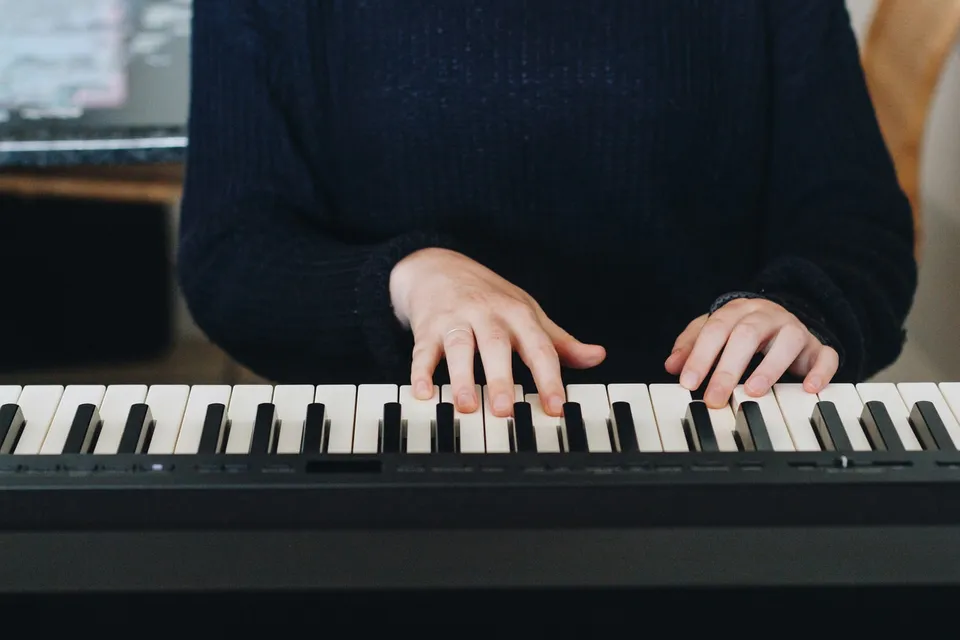
A separate route into piano lessons
This website previously introduced local piano teacher Simon Burrowes as an option for singing students interested in learning piano. The original introduction dates from 2017 and listed his teaching location as Dunlady Road, BT16 1TT. Before arranging lessons, check the teacher’s current location, availability, prices and teaching arrangements directly. Singing lesson fees on this website do not apply automatically to piano tuition, and an enquiry does not reserve a piano lesson.
You can use the Piano Lessons Belfast website or explore the MusicTeacher directory as a starting point. Read the current teacher information and explain what you hope to learn. If you are already taking singing lessons, mention whether piano would be a second interest or a way to support your vocal work.
Why a singer might learn piano
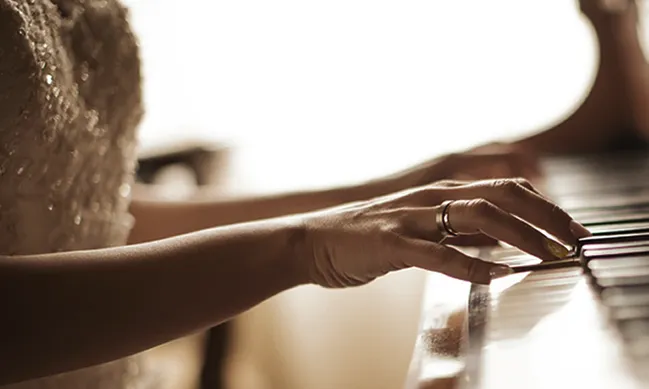
A keyboard can offer a useful way to explore the music you sing. You can see patterns of notes, hear a melody independently and investigate how chords change the feel of a phrase. Learning piano is also an enjoyable musical activity in its own right. You do not need to become an accompanist to find value in it, and you do not need to learn piano before starting singing lessons.
Choose a practical first goal. You might want to pick out a melody, understand the chords in a favourite song or eventually accompany yourself. Each goal involves different skills, so describe it to the piano teacher rather than simply asking to become better at music. A clear aim makes it easier to choose appropriate material.
Starting with a suitable instrument
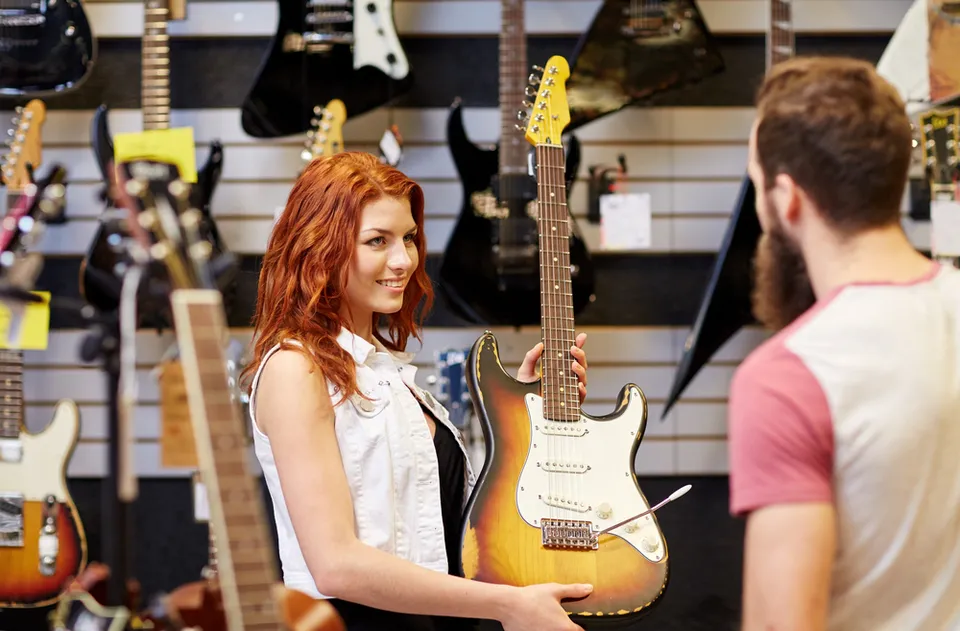
Ask the piano teacher what instrument you will need for practice and whether what you already own is suitable. Discuss the keyboard size, touch response, seating and space available before spending money. A shop listing cannot tell you whether an instrument will meet the particular needs of your lessons. If you are considering a second-hand instrument, establish its condition and any transport, tuning or maintenance requirements.
You do not need to arrive with an elaborate home studio. A comfortable practice space where you can hear and concentrate is more useful than accessories chosen before you know what you need. Confirm what is provided at the lesson venue and what you should bring yourself.
Connecting keyboard work with songs
Start by keeping tasks separate. Playing a simple pattern and singing at the same time can be more demanding than either activity on its own. Learn the keyboard part slowly, understand where the musical phrases begin and then discuss how to combine the two. A simplified accompaniment may be more helpful than an ambitious arrangement that makes it difficult to keep the song moving.
Lyrics and chord symbols provide different information from fully written piano music. Ask your teacher to explain the format you are using and what it leaves for you to decide. Learning to recognise a chord change or repeated pattern can help you understand a song without trying to learn every possible theory term at once.
Planning practice around two instruments
If you study both piano and singing, give each activity a manageable place in your week. Decide on one clear piano task and one singing task rather than treating every session as a rehearsal of a complete performance. Note where the skills connect and where you need separate guidance. Progress on one instrument does not have to match progress on the other.
A short practice note can help: write down the passage, the approach suggested and the question you want to ask next time. This makes it easier to return to a task after a busy week. Ask permission before recording a lesson or sharing any recording that includes another person.
Questions to ask before booking
Confirm whether the teacher works with your age group and current level, where lessons take place, the lesson length and the total fee. Ask about payment, cancellation arrangements, instrument requirements and any separate costs for books or examinations. If you want to accompany singing, explain that from the beginning so the teacher can say how it fits their approach.
There is no need to commit to an exam or a public performance to justify learning. A useful first step is a conversation about your musical interests and a realistic starting point. For singing enquiries, contact Pauline through this website; for piano availability and booking terms, speak directly to the piano teacher you choose.